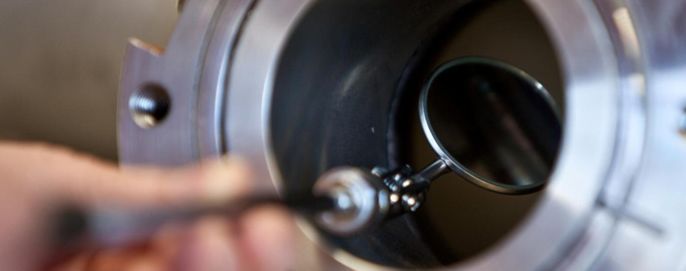
Part 1 — Weld Inspection (WI)
Overview
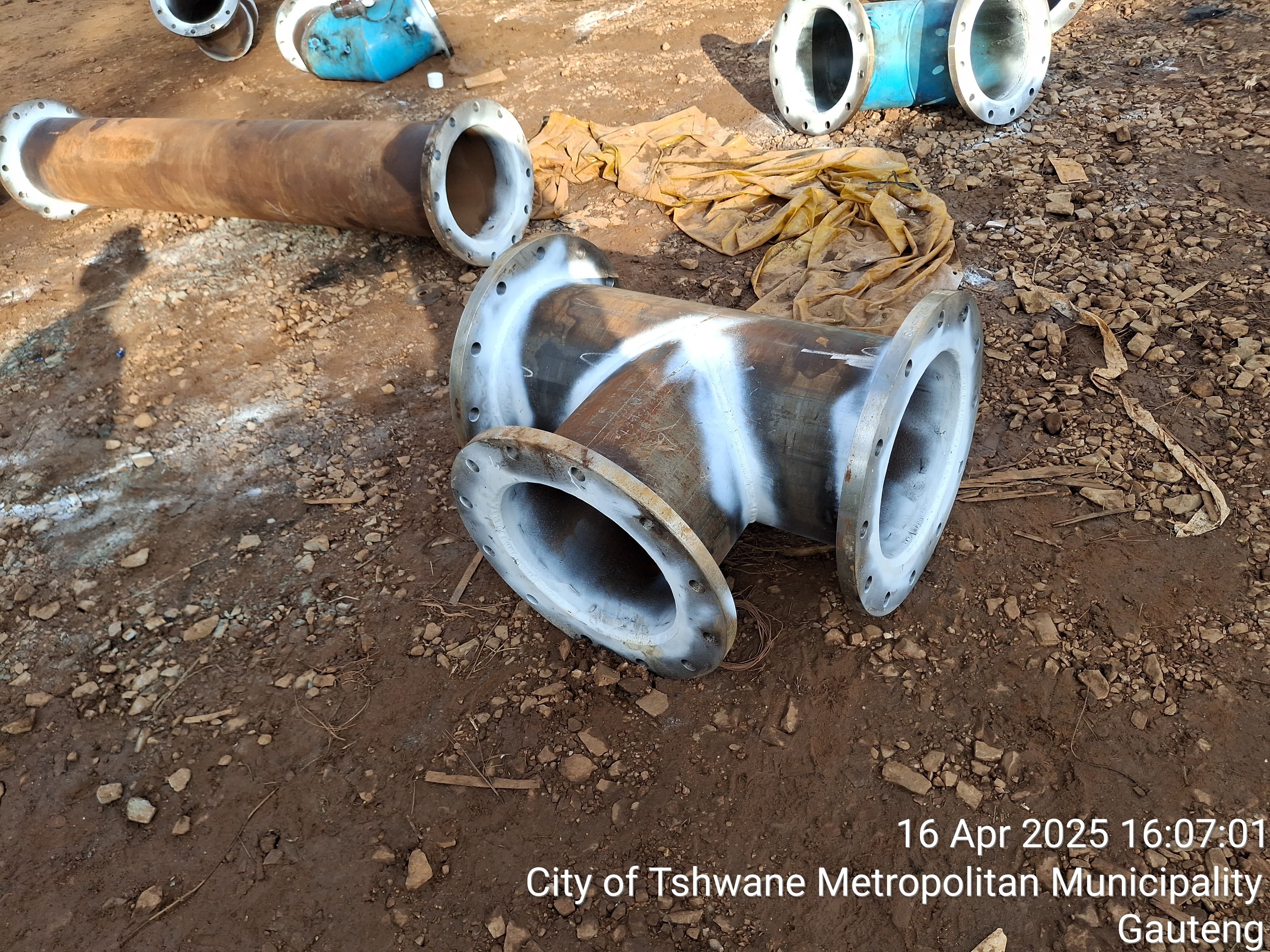
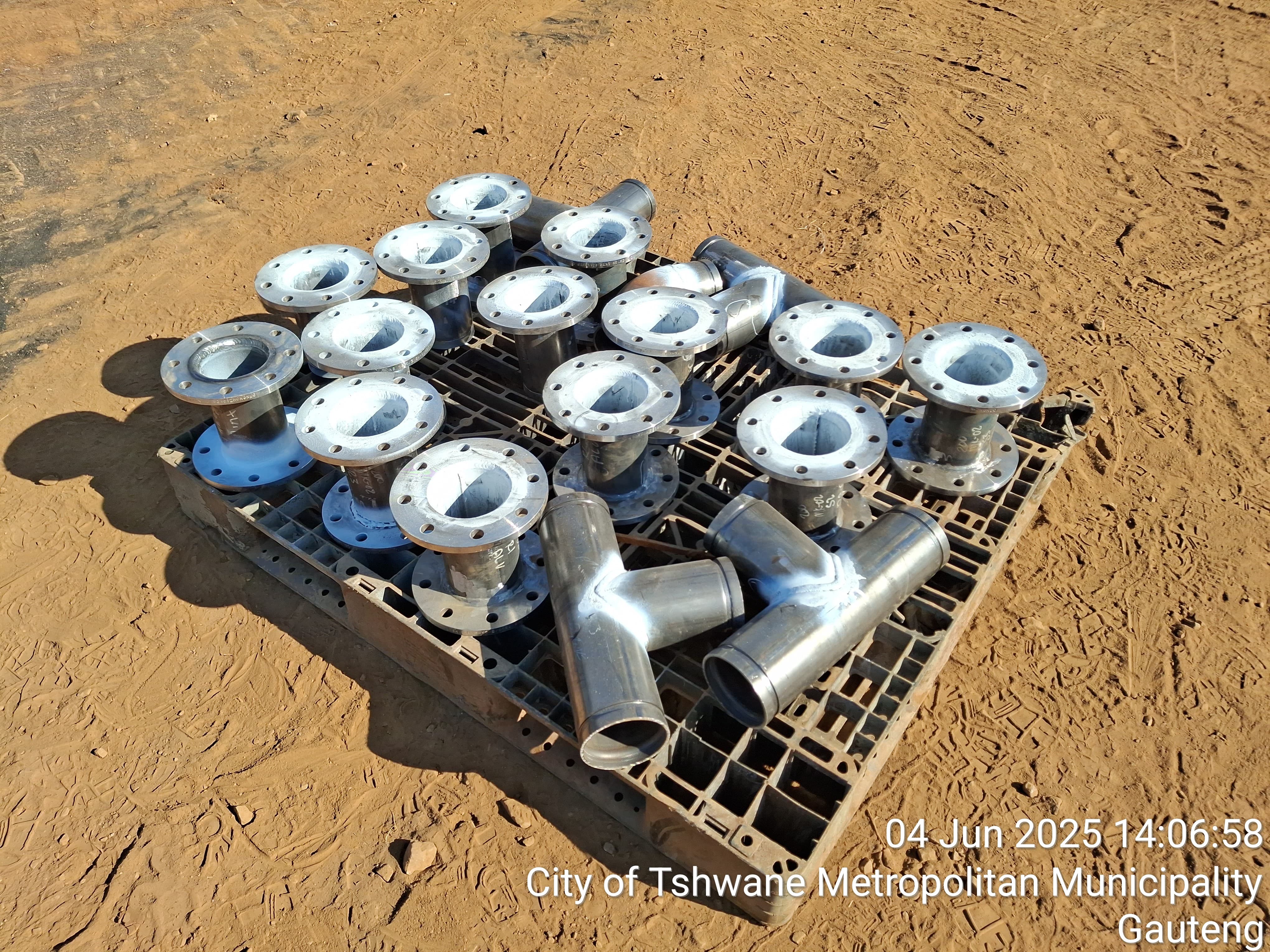
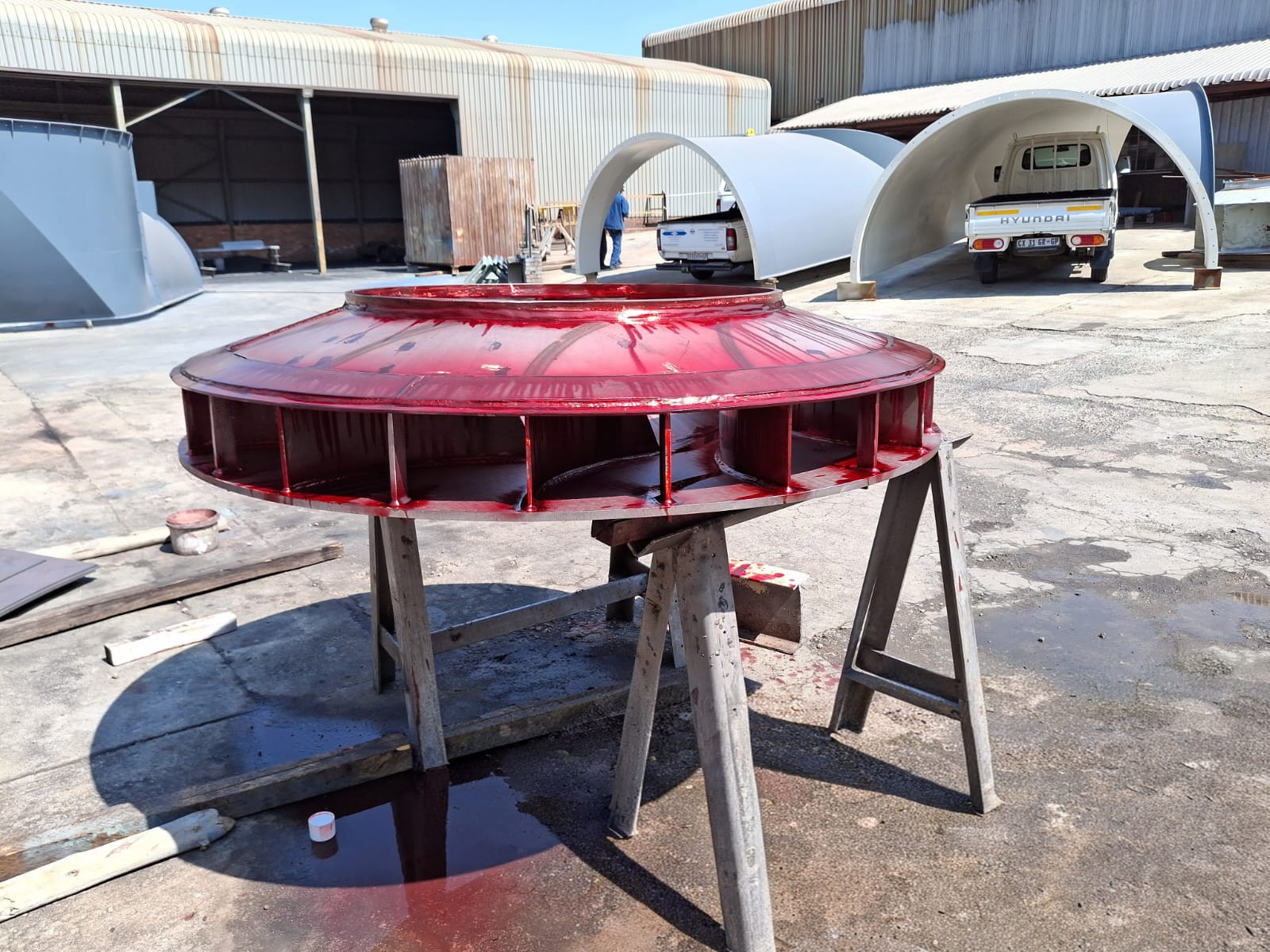
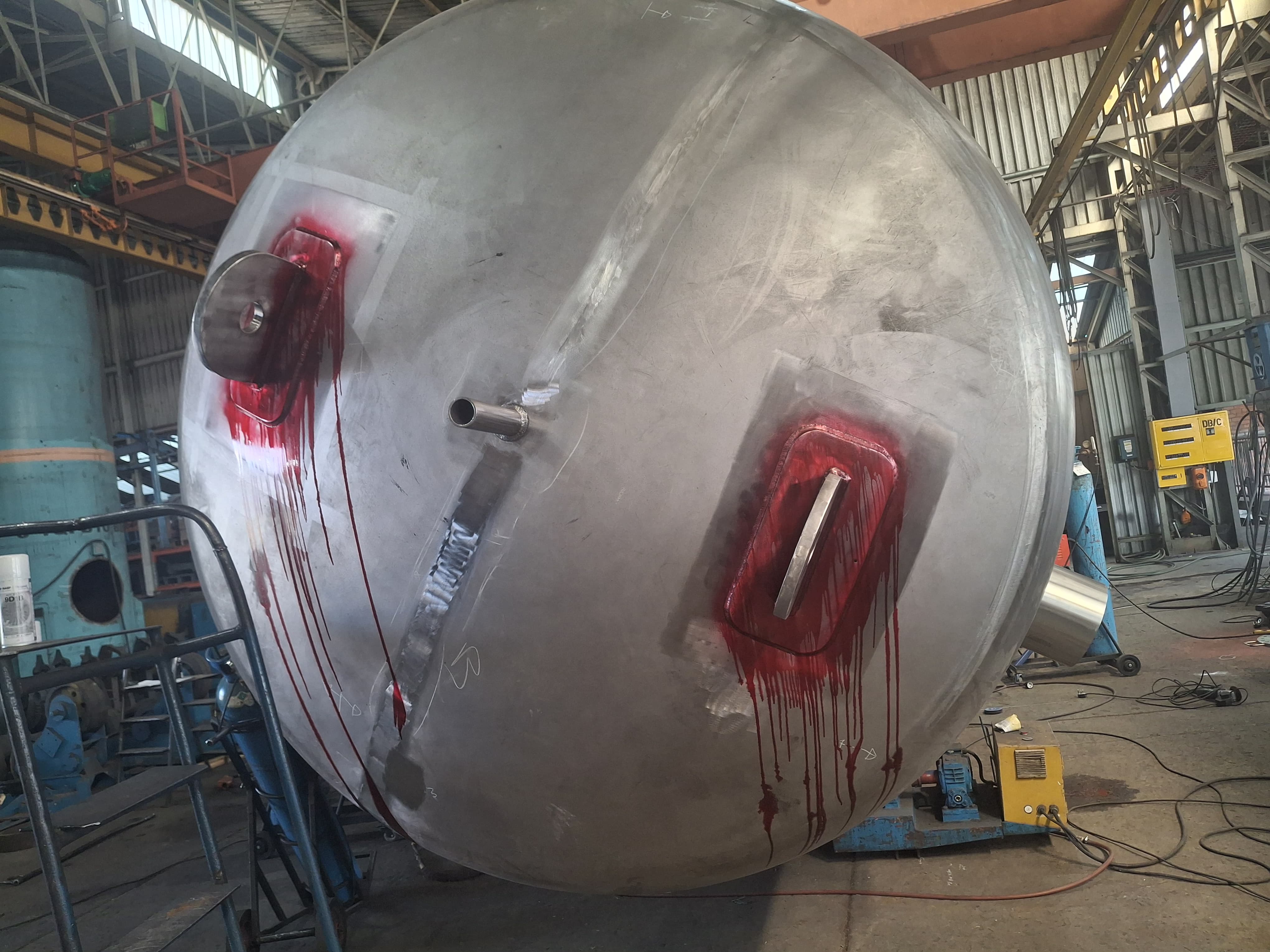
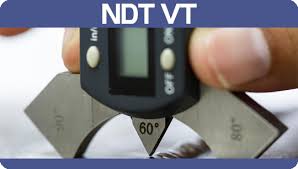
Weld Inspection (WI) is a comprehensive quality assurance process that combines visual examination with advanced NDT techniques to ensure weld integrity, dimensional accuracy, and compliance with applicable codes and standards. Proper weld inspection is critical to the safety and reliability of structures, pressure vessels, pipelines, and mechanical equipment.
MEM NDT Services provides a complete weld inspection service covering all phases of the welding process — from pre-weld preparation and in-process monitoring to post-weld evaluation. Our qualified weld inspectors ensure that welds conform to project specifications and international codes.
Inspection Phases
- Pre-weld: Material certification check, joint preparation, fit-up, and preheat verification
- In-process: Interpass temperature monitoring, pass-by-pass visual assessment
- Post-weld: Final visual inspection, dimensional checks, and NDT as specified
Defects Identified
- Cracks — hot cracks, cold cracks, crater cracks
- Porosity, worm holes, and gas pockets
- Lack of fusion and incomplete penetration
- Undercut, overlap, and excessive reinforcement
- Burn-through and arc strikes
- Slag inclusions and tungsten inclusions
Weld Inspection Codes & Standards
- AWS D1.1 Structural Welding Code
- ASME Section IX Welding and Brazing Qualifications
- ISO 5817 Weld Quality Levels
- API 1104 Pipeline Welding
- EN 13480, EN 13445, and other European standards
Part 2 — Welding Procedures (WPS / PQR / WPQ)
What Are Welding Procedures?
A Welding Procedure Specification (WPS) is a formal written document that provides the required welding variables for a specific application. It ensures that every weld is produced consistently, to the correct quality, and in compliance with the applicable code or standard. Together with the Procedure Qualification Record (PQR) — the test data that validates the WPS — and the Welder Performance Qualification (WPQ) — which certifies each welder's skill — these documents form the backbone of a fabrication or construction quality system.
Without properly developed and qualified welding procedures, fabrication projects risk non-conformance, costly rework, regulatory rejection and — most critically — structural failures. MEM NDT Services takes the complexity out of the process, guiding clients from concept through to fully qualified, code-compliant documentation.
Our Welding Procedure Services
- WPS Development — drafting new welding procedure specifications tailored to your base materials, joint configurations, welding processes and service conditions
- PQR Witnessing & Documentation — attending and witnessing qualification test welds, coordinating destructive and non-destructive testing, and compiling the procedure qualification record
- WPQ / Welder Qualification — organising and witnessing performance qualification tests for individual welders and welding operators, issuing certificates of qualification
- Procedure Review & Audit — reviewing existing WPS/PQR packages for code compliance, identifying gaps and updating documentation to current standards
- Essential Variables Assessment — evaluating changes to welding variables to determine whether re-qualification is required
- Code Interpretation & Advisory — providing technical guidance on applicable standards, helping clients select the correct code for their industry and jurisdiction
Welding Procedure Standards
- ASME Section IX — Welding, Brazing and Fusing Qualifications (pressure vessels, boilers, piping)
- AWS D1.1 — Structural Welding Code — Steel
- AWS D1.2 / D1.5 / D1.6 — Aluminium, Bridges and Stainless Steel
- API 1104 — Welding of Pipelines and Related Facilities
- EN ISO 15614-1 — Specification and Qualification of Welding Procedures
- EN ISO 9606 — Qualification Testing of Welders
- SANS 2920 / SANS 10400 — South African national standards
Welding Processes Covered
- SMAW (Shielded Metal Arc Welding / Stick)
- GTAW / TIG (Gas Tungsten Arc Welding)
- GMAW / MIG/MAG (Gas Metal Arc Welding)
- FCAW (Flux-Cored Arc Welding)
- SAW (Submerged Arc Welding)
- MCAW (Metal-Cored Arc Welding)
- OAW and other specialist processes on request
Industries & Applications
- Oil & gas — upstream, midstream and downstream pipelines and facilities
- Petrochemical and refinery construction and maintenance
- Power generation — boilers, pressure vessels and piping systems
- Mining — structural steelwork, plant and processing equipment
- General fabrication, manufacturing, structural and civil engineering
- Shipbuilding and marine structures